
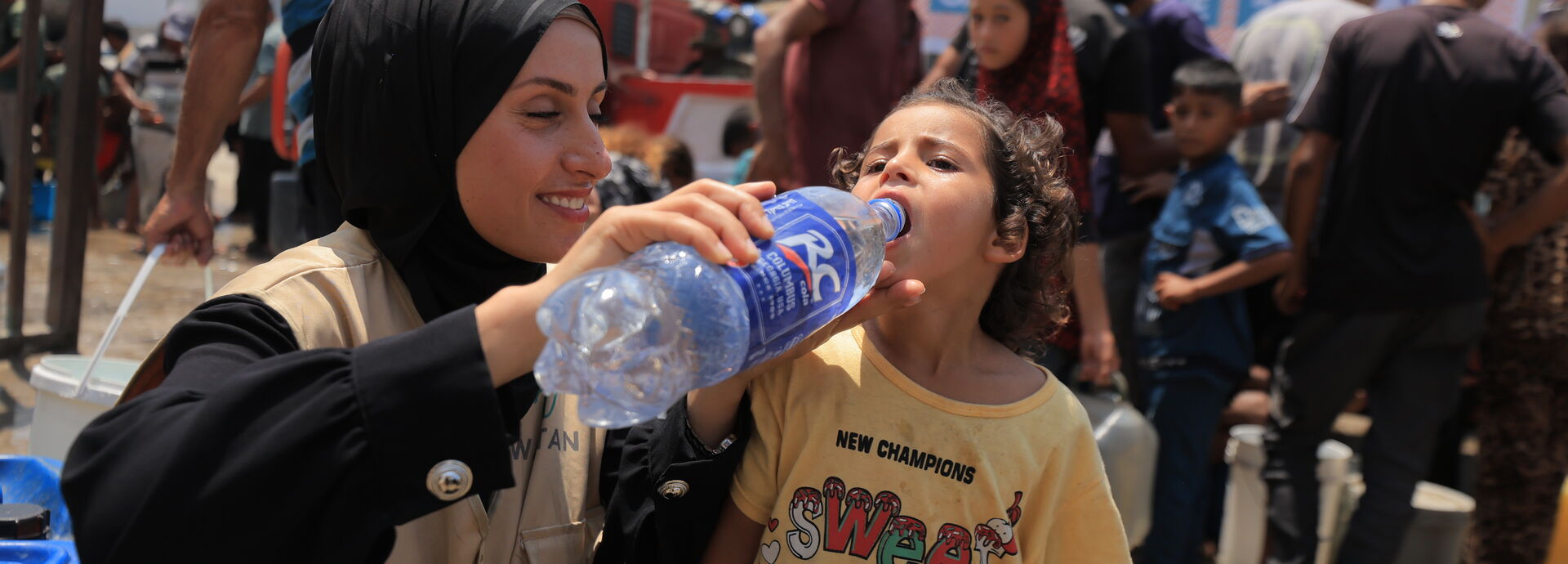
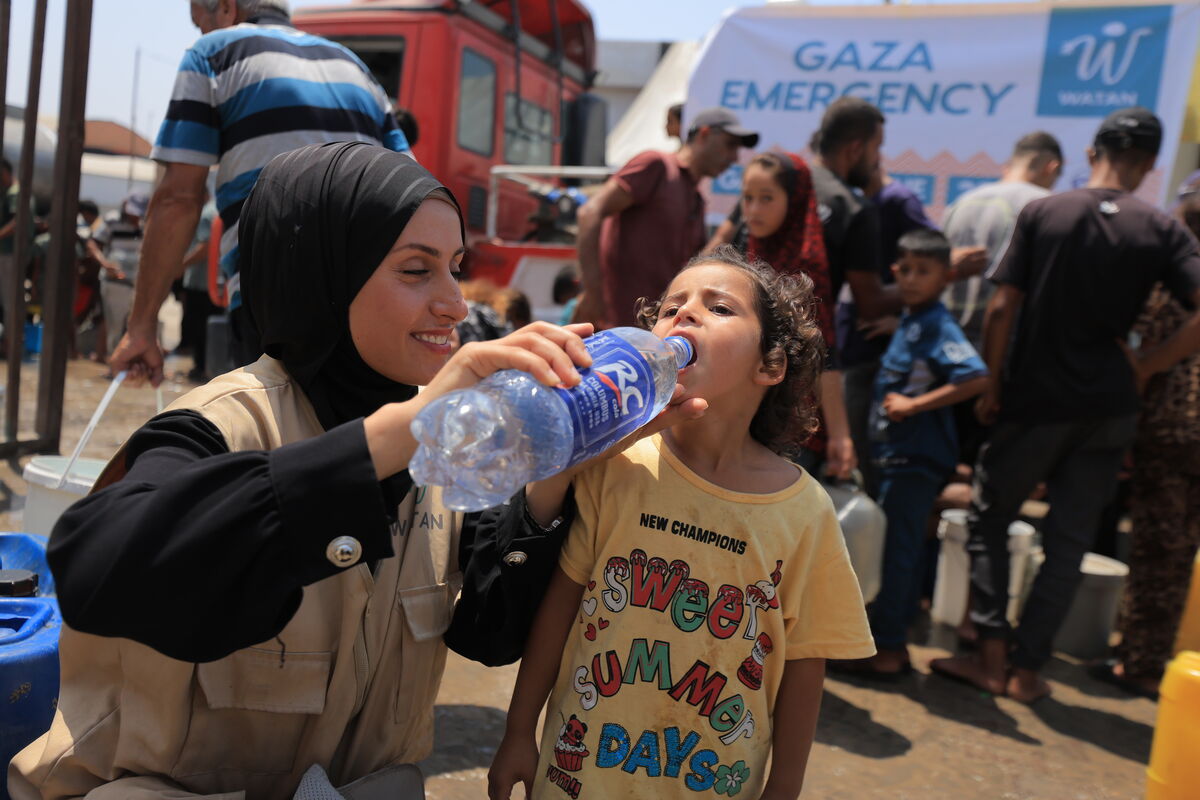
Gaza Water Emergency
Gaza Is Running Out of Safe Water
91% of assessed households are facing water insecurity. Help deliver clean drinking water before more lives are put at risk.
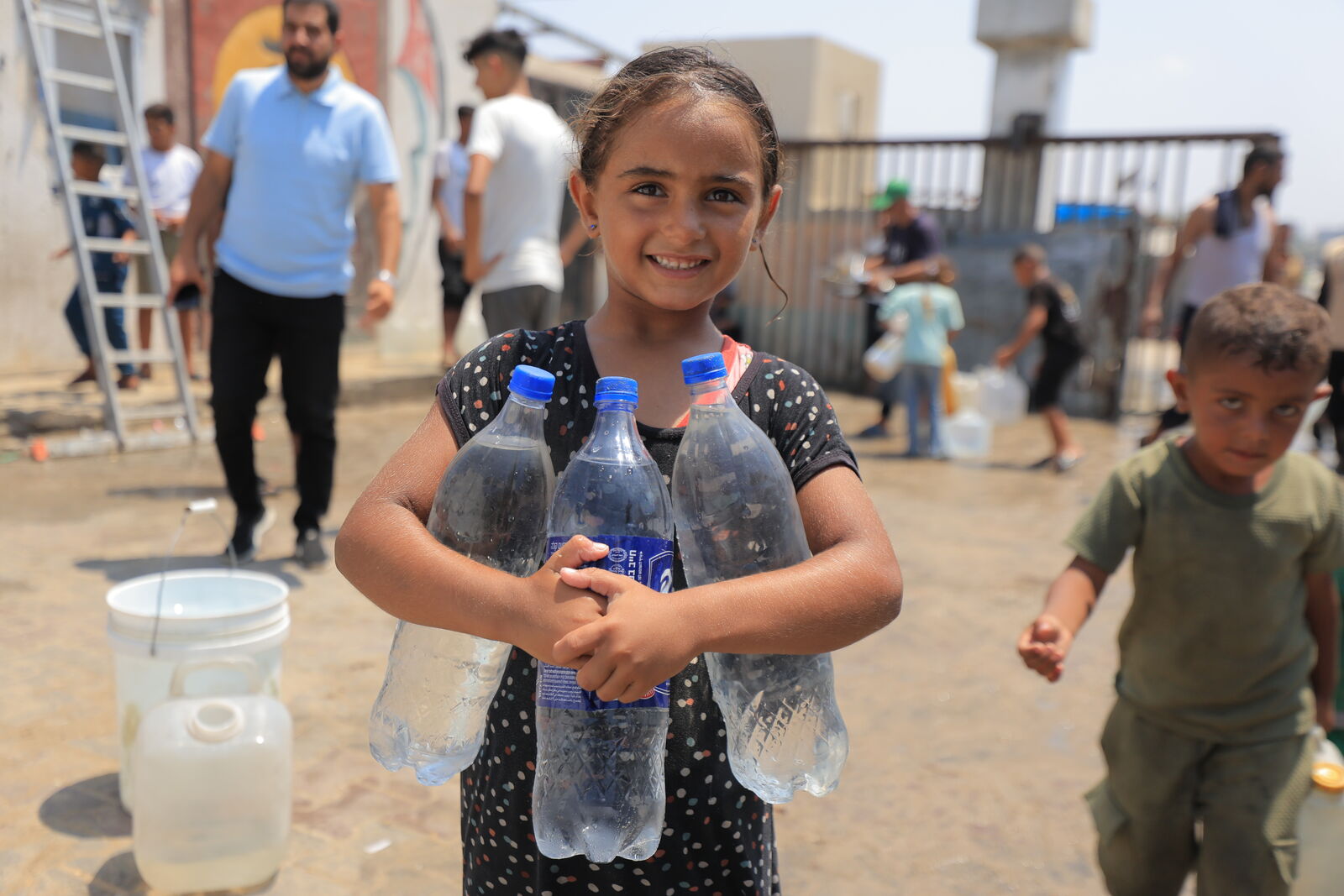
In Gaza, something as ordinary as a glass of water has become a daily struggle for survival. Families are living with dangerously limited access to safe drinking water, while damaged sanitation systems, contaminated supplies and overflowing sewage are exposing entire communities to preventable disease.
For parents, the consequences are frightening. Water needed to prepare food, wash their children or maintain basic hygiene can no longer be taken for granted. Infants, young children and people already weakened by hunger are particularly vulnerable to the illnesses that thrive in these conditions.
Watan USA is working to help deliver clean water to families facing this emergency, providing an essential resource that protects health, dignity and life itself.
Gaza Water Emergency
When Water Makes You Sick
More than 496,000 cases of acute watery diarrhoea were reported in Gaza during 2025, with nearly half affecting children under five.
For thousands of families, the danger is no longer confined to the absence of water, but to what may be lurking in the water they manage to find.
The collapse of Gaza’s sanitation infrastructure has allowed human waste and untreated sewage to accumulate near homes and displacement camps. With so few functioning treatment facilities, contaminated water and poor hygiene conditions are contributing to the spread of infectious diseases.
Children are bearing a particularly heavy burden. Diarrhoeal illness can cause dangerous dehydration, while skin infections, scabies and other preventable conditions spread more easily where families cannot wash regularly or keep their surroundings clean.
For a mother nursing a sick child, the lack of safe water makes even the simplest acts of care more difficult. Every episode of illness places additional pressure on families who may already be struggling to access medicine, adequate nutrition and medical treatment.
These are diseases that clean water, effective sanitation and basic hygiene can help prevent. Yet across Gaza, the conditions needed to protect children from them remain dangerously inadequate.
Our Response
Clean Water Saves Lives
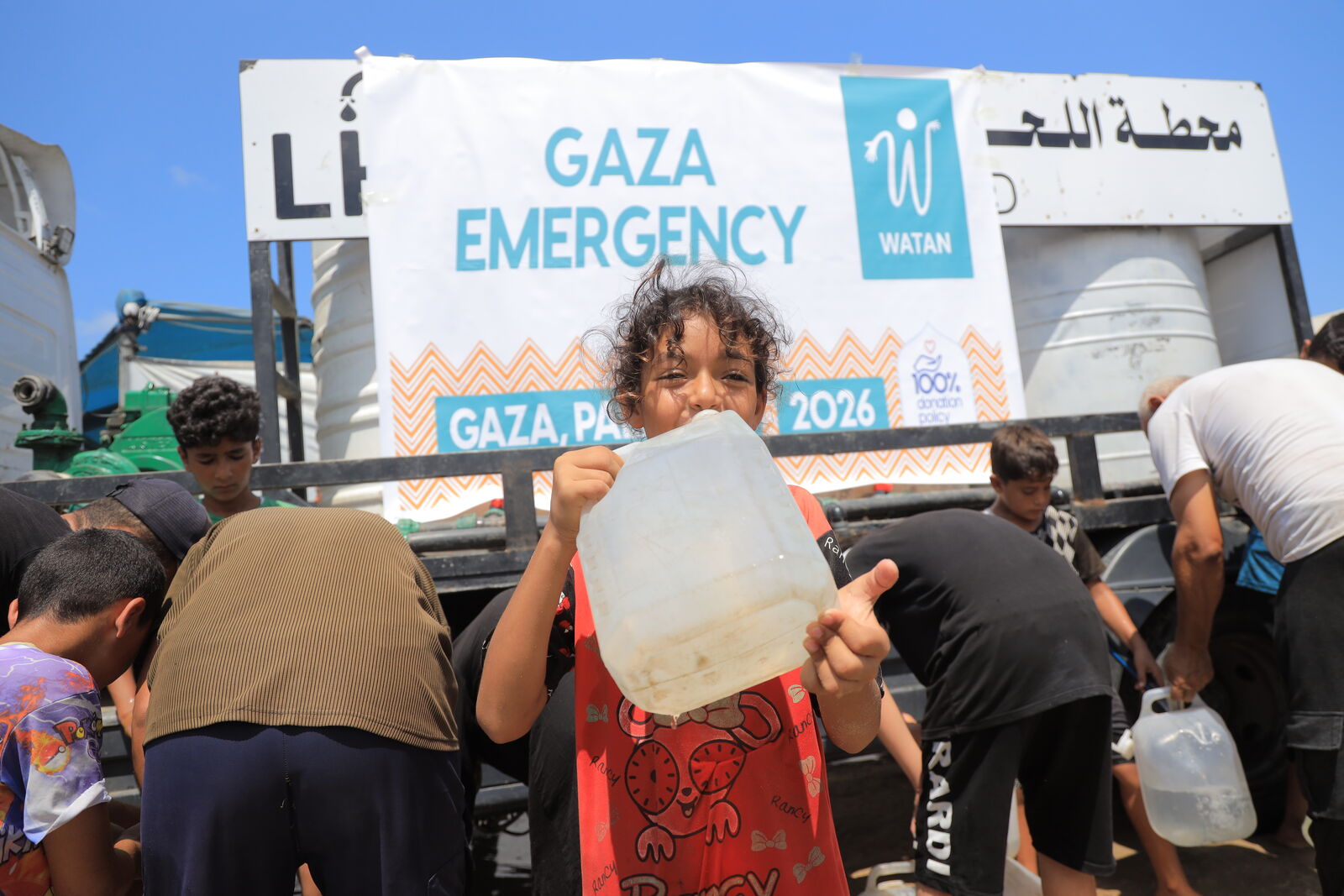
For families struggling to secure their next supply of drinking water, reliable humanitarian deliveries can make an immediate difference.
Watan USA’s longstanding presence in Gaza is supported by local relationships, established suppliers and distribution networks that help our teams respond to urgent humanitarian needs.
Through our Gaza Water Aid appeal, we are working to support the delivery of safe drinking water to vulnerable households, including displaced families with limited access to functioning water infrastructure.
Access to treated water helps families drink and prepare food more safely, reducing their reliance on potentially contaminated sources. It also allows households to reserve more of their limited resources for other essential needs.
Our focus is on providing practical assistance that reaches people where access is most difficult, using local knowledge and operational experience to support emergency distributions.
A donation towards clean water is an investment in something every family needs, every single day, and something no child should ever have to go without.
The Need
The Cost of Unsafe Water
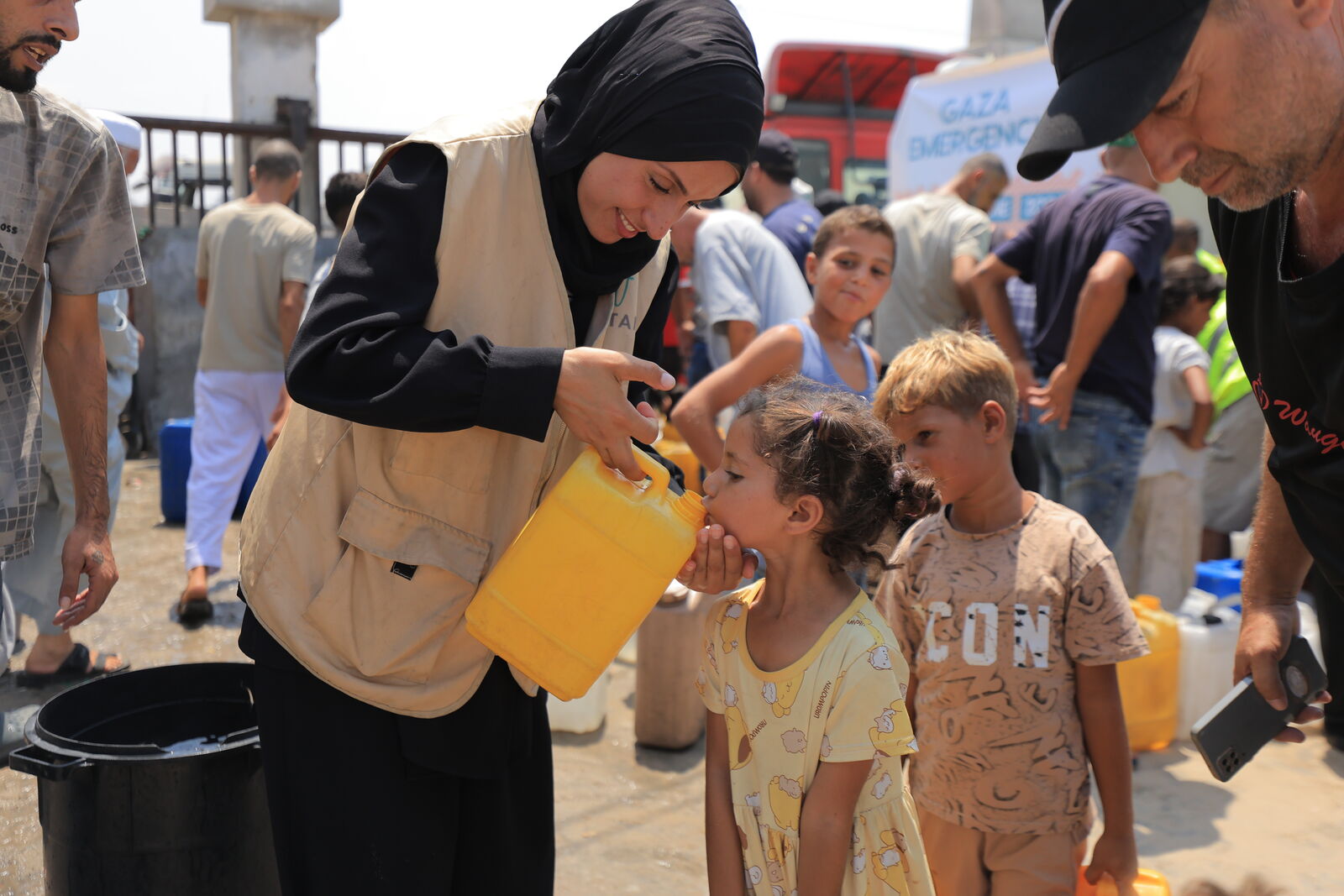
Gaza’s water crisis extends far beyond the immediate threat of dehydration. It is undermining the basic conditions needed to maintain public health across an already vulnerable population.
According to UNICEF, nearly 90% of Gaza’s water and sanitation infrastructure has been damaged or destroyed. The breakdown of these systems has left communities dependent on emergency water deliveries, damaged networks and limited treatment facilities.
In August 2026, humanitarian partners tested 938 water samples across Gaza. Eighteen percent showed microbiological contamination, while more than 73% failed to meet recommended residual chlorine levels, highlighting the continuing difficulties of maintaining safe water supplies.
The risks are particularly severe in overcrowded displacement areas, where inadequate toilets, accumulated waste and poor drainage can allow infection to spread rapidly. Recent flooding has made the situation more dangerous, with rainwater mixing with sewage in areas where wastewater treatment systems are no longer operational.
Without sustained access to clean water, families face a continuing cycle of illness, poor hygiene and increasing pressure on a healthcare system already struggling to cope.
The consequences of this crisis are not inevitable. Safe water supplies, functioning sanitation and improved hygiene can prevent disease and protect vulnerable lives.
Help Watan USA deliver clean drinking water to families whose health and survival depend on it.
Donate